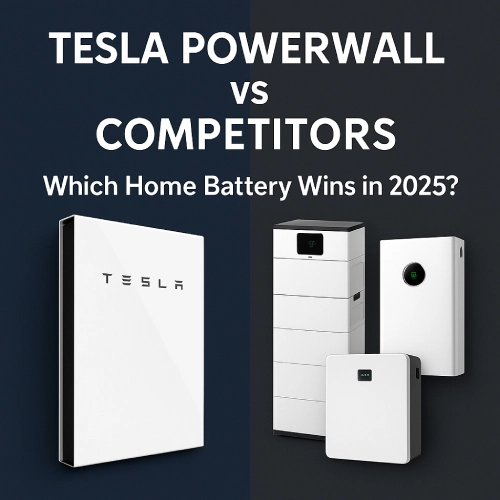
Home battery systems are becoming one of the most valuable upgrades for modern households. As solar panels grow in popularity and electricity prices continue to rise, more homeowners are turning to energy storage to take control of how they generate, store, and use power. But a big question often comes up: are home battery systems only meant for backup power, or can they actually deliver full energy freedom?
With advancements in storage technology, smarter energy software, and dropping battery prices in 2025, the answer is shifting rapidly. Let’s explore what home batteries can really do — and whether they’re capable of transforming your home into a self-powered powerhouse.
Understanding How Home Battery Systems Work
A home battery stores excess electricity — usually generated by rooftop solar — and makes it available when you need it most. Instead of sending all unused solar power back to the grid, batteries let you keep it for nighttime use, cloudy days, peak-hour savings, or emergencies.
Modern battery setups typically include:
- Lithium-based battery packs for high-density energy storage
- Hybrid or smart inverters to manage charging and discharging
- Energy management software to optimize timing and usage
- Backup power mode for outages or grid failures
The result is a power system that responds in real-time to your home’s needs.
Are Home Batteries Just for Backup?
Traditionally, home batteries were marketed as emergency power sources — useful when the grid goes down during storms or outages. And yes, this function remains one of their best features.
A properly sized battery can keep essentials running, such as:
- Lights and fans
- Refrigerators
- Internet routers
- Security systems
- Medical devices
For many households, having uninterrupted electricity is worth the investment alone. However, the role of home batteries today has evolved way beyond backup power.
Total Energy Freedom: Is It Really Possible?
This is where home batteries become game changing. With solar panels and a sufficiently sized battery system, your home can significantly reduce or even eliminate its dependence on the grid.
Here’s how energy freedom becomes achievable:
- Stored solar energy powers your home at night instead of relying on grid power.
- Peak-hour electricity avoidance: Batteries supply power when grid rates are highest.
- Energy arbitrage: Charge during off-peak cheap hours, use during expensive hours.
- Seamless operation during outages — your home barely notices the grid went down.
- Lower carbon footprint by consuming more self-generated clean energy.
For some homeowners, this means cutting monthly electricity bills by 60–90%. For others — especially in sunny regions — it can mean achieving full off-grid living.
Choosing the Right Battery Size: The Key to Freedom
Whether you gain backup capability or full energy independence depends heavily on how large your battery system is. Small batteries are perfect for emergency use, while large-capacity systems unlock true energy freedom.
Battery size considerations include:
- Daily energy consumption (kWh per day)
- Solar panel capacity
- Nighttime usage patterns
- Desired autonomy length (hours vs. days)
- Budget and payback period
In many cases, homes combining a 5–15 kWh battery with a 4–10 kW rooftop solar system can reach substantial energy independence.
Hybrid Systems: The Best of Both Worlds
Hybrid systems — those that stay connected to the grid but prioritize battery and solar use — offer the most practical benefits. They provide:
- Backup power during blackouts
- Cost savings from solar and battery optimization
- Grid connection as a final safety net
For most homeowners, this hybrid approach gives the perfect balance between reliability and affordability.
The Economics: Do Home Batteries Make Financial Sense?
Battery prices have fallen significantly over the last decade. Combined with rising electricity prices, many homeowners find that energy storage offers strong financial benefits:
- Lower reliance on expensive grid electricity
- Reduced peak-hour bills
- Optimized solar energy consumption
- Potential government incentives, depending on region
Although the upfront cost may feel high, the long-term savings, backup capabilities, and increased home value often justify the investment.
Conclusion: Backup Power or Total Energy Freedom?
Home battery systems can be both — a reliable backup during outages and a powerful tool for long-term energy independence. The difference lies in system size, solar capacity, and how much of your daily consumption you want to control.
If your goal is stability and peace of mind, a smaller battery works perfectly. But if your dream is to cut the cord from the grid and take full control of your home’s electricity, pairing larger storage with solar panels can bring you close to total energy freedom.
As energy technology continues to advance, the future of home power is becoming cleaner, smarter, and more independent — starting right from your battery system.